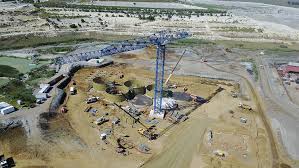

The SANRAL Engineering Learnership Programme 2026 offers a valuable opportunity for aspiring engineers and construction professionals to gain practical experience in South Africa’s infrastructure sector. This programme is ideal for individuals pursuing careers in civil engineering, quantity surveying, and construction management.
Programme Overview
The South African National Roads Agency Limited (SANRAL) is responsible for the development and maintenance of national road infrastructure. This learnership programme is designed to equip participants with technical knowledge and hands-on experience in engineering and construction-related disciplines.
Key Programme Details
- Programme Name: SANRAL Engineering Learnership 2026
- Location: KwaZulu-Natal, South Africa
- Programme Type: Learnership (Work-based training)
- Target Group: Students and unemployed youth in engineering fields
- Duration: Typically 12 to 24 months
- Monthly Stipend: Approximately R6,500
Stipend and Benefits
Monthly Stipend
- Estimated Stipend: R6,500 per month
Additional Benefits
- Practical experience in infrastructure and road development
- Exposure to real engineering projects
- Skills development aligned with industry standards
- Improved employability in engineering and construction sectors
Purpose of the Learnership
The main objective of the SANRAL Engineering Learnership is to provide structured workplace experience to individuals pursuing careers in engineering and construction.
Key Objectives
- Develop technical engineering skills
- Provide real-world project exposure
- Enhance understanding of construction processes
- Prepare learners for professional roles in the industry
Fields of Study Accepted
Applicants must have a background or be studying in one of the following fields:
Engineering and Construction Fields
- Civil Engineering
- Quantity Surveying
- Construction Management
These fields are aligned with SANRAL’s core operations in infrastructure development and project management.
Minimum Requirements (Structured in Point Form)
Applicants must meet the following criteria:
Educational Requirements
- Must have completed Grade 12 (Matric)
- Must be studying or qualified in one of the accepted fields
Citizenship and Residency
- Must be a South African citizen
- Must reside in South Africa
Personal Requirements
- Strong interest in engineering and construction
- Willingness to learn and develop professionally
- Ability to work in a team environment
Work Readiness Requirements (Structured in Point Form)
Skills and Abilities
- Basic understanding of engineering concepts
- Good communication skills (written and verbal)
- Ability to follow instructions and safety procedures
Personal Attributes
- Strong work ethic
- Attention to detail
- Problem-solving ability
- Ability to work under pressure
Required Documents (Structured in Point Form)
Applicants must prepare and submit the following documents:
Mandatory Documents
- Updated Curriculum Vitae (CV)
- Cover letter
- Certified copy of South African ID
- Matric results
Academic Documents
- Letter from institution confirming enrolment or completion
- Academic transcripts
Supporting Documents
- Proof of residence
- Signed logbook (if applicable)
Important Notes
- All documents must be certified and clearly visible
- Certification should not be older than 3 months
- Incomplete applications may not be considered
Key Learning Areas
Participants will gain exposure to various aspects of engineering and construction.
Technical Learning Areas
- Road construction and maintenance processes
- Site supervision and project coordination
- Quantity measurement and cost estimation
Workplace Skills
- Project planning and execution
- Health and safety compliance
- Communication within engineering teams
Skills and Competencies Developed
The programme focuses on building both technical and professional skills.
Technical Skills
- Engineering project support
- Construction site operations
- Basic surveying and measurement
Interpersonal Skills
- Communication and teamwork
- Professional conduct
- Stakeholder engagement
Personal Development Skills
- Time management
- Critical thinking
- Adaptability and resilience
Work Environment and Expectations
Learners will be placed in real construction and engineering environments where they will gain hands-on experience.
What to Expect
- Working on infrastructure projects
- Exposure to construction sites and offices
- Following strict safety regulations
- Participating in both practical and theoretical training
Career Opportunities After Completion
Completing the SANRAL Engineering Learnership opens doors to various career paths in the engineering and construction sectors.
Potential Career Paths
- Civil Engineering Technician
- Site Supervisor
- Quantity Surveyor Assistant
- Construction Project Assistant
With further education and experience, learners can progress into professional engineering roles.
Importance of Engineering Learnerships
Engineering learnerships play a crucial role in developing skilled professionals needed for infrastructure development.
Benefits for Learners
- Gain industry-relevant experience
- Improve employment opportunities
- Build technical and practical skills
- Contribute to national development projects
Application Tips for Success
To improve your chances of being selected, follow these tips:
Helpful Tips
- Ensure your CV is professional and up to date
- Highlight your field of study clearly
- Include all required certified documents
- Demonstrate your interest in engineering
- Apply before the closing date
How To Apply
EMAIL:[email protected]
Enquiries:
[email protected]
Important Considerations
Applicants should take note of the following:
Key Notes
- Only shortlisted candidates will be contacted
- Meeting minimum requirements does not guarantee selection
- Late or incomplete applications may not be accepted
- Commitment to the programme is essential
Why Choose a Career in Engineering
Engineering is one of the most in-demand and rewarding career fields in South Africa.
Advantages
- High demand for skilled professionals
- Opportunities for career growth
- Involvement in large-scale infrastructure projects
- Competitive earning potential