
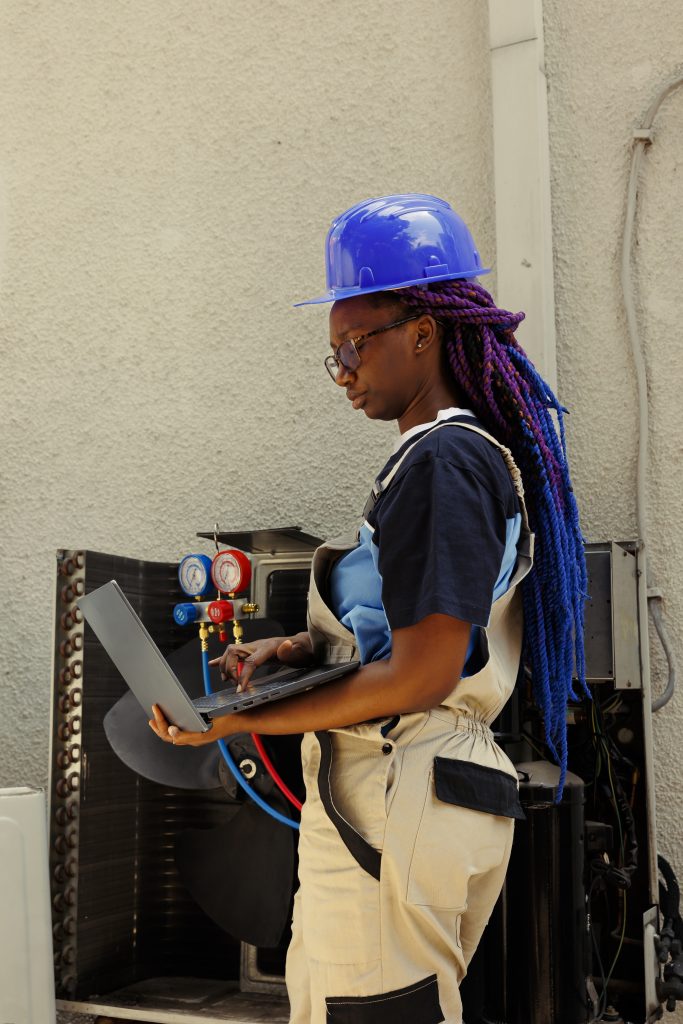
Electrical learnerships provide a structured pathway into the electrical trade, combining classroom instruction with hands-on training and leading to a recognized trade qualification. These programmes typically span 12 to 48 months, offering stipends, mentorship, and the opportunity to earn while you learn.
Whether you’re a matriculant, technical NCV student, or someone seeking a career change—this guide will walk you through the eligibility, application process, key documents, and success tips for applying to electrical learnerships in South Africa.
1. What Is an Electrical Learnership?
An electrical learnership (or apprenticeship) integrates theory and practical work in fields like:
- Electrical installation
- Wiring and circuitry
- Industrial power systems
- Solar or renewable energy
- Motor control and automation
Programmes are delivered through SETA-accredited employers or training institutes such as MERSETA, EWSETA, or CETA, and lead to National Qualifications Framework (NQF) aligned certification or readiness for the trade test / red seal electrician certification
Major companies and public bodies—like Transnet, Exxaro, and Eskom—also offer learnerships with electrical components
2. Why Pursue an Electrical Learnership?
✅ High Demand for Skilled Electricians
South Africa’s infrastructure and energy sectors continue to need qualified electricians, boosting employability after completing the programme.
✅ Structured Learning + Salary
You receive workplace exposure, mentorship, and a monthly stipend (typically R2,000–R7,000), sustained over the learnership duration
✅ National Trade Qualification
Completing the programme prepares you for a final trade test. Passing that can earn you a recognised electrician certification (also called a “red seal”)
✅ Career Growth or Self-Employment
Some learners transition to permanent roles in industries like mining, utilities, and construction—or launch their own businesses after qualification.
3. Who Is Eligible?
Common Entry Requirements
- South African citizenship, usually aged 18–35
- N3 level (or NCV 4 / Technical Matric) with relevant trade theory, Maths and Physical Science—typically equivalent to N2 or N3 level theory
- Unemployed, not enrolled in another full-time programme
- Ability to commit full-time to the learnership period (often 12–48 months)
Preferred Qualities
- Problem-solving aptitude and attention to detail
- Physical and mental stamina for sometimes demanding workloads
- Basic computer literacy for reporting and learning tasks
- BEE designation, preference for women or persons with disabilities may apply
4. Electrical Learnership Opportunities in SA
📋 Transnet Electrician Apprenticeship
Location: Koedoespoort, Gauteng
Entry: N3 / NTF‑2 certification or Technical Matric in trade theory.
Duration: Up to 4 years.
Stipend: Paid monthly.
Application: Apply via Transnet Careers Portal using vacancy code and email CV and documents .
⚡ Exxaro Engineering Learnership (Electrical)
Location: Leeuwpan, Mpumalanga
Entry: Grade 12 / Technical Matric or NCV 4 with trade theory; N3 required.
Duration: Several years of structured training.
Apply: Submit CV to email or gate drop box by November 2025 Unisasapplication.
🏛️ SETA-Linked Learnerships
MERSETA and EWSETA fund artisan and electrical learnerships funded via discretionary grants. Apprenticeships combine on‑the‑job and institutional training .
🌱 Private Facilities and Training Centres
Providers like Sol-Tech, Todi T Academy, and engineering firms include government subsidy and deliver been SETA-accredited training—often with placements at partner companies
5. Application Process: Step by Step
Step 1: Monitor Learnership Announcements
Major SETAs typically open discretionary grant windows between August and November each year . Follow SETA websites, company HR portals, and local news to track openings.
Step 2: Identify Accredited Providers or Host Employers
Search SETA Quality Assurance portals for accredited training providers or employers offering electrical learnerships in your area or province Saseta.
Step 3: Gather Documents
- Certified South African ID copy
- Certified Matric / NCV / N3 certificate
- CV and motivational letter
- Proof of residence (< 3 months old)
Motivation letters should state why you’re interested in electrical trade and how it aligns with your goals
Step 4: Submit Application to Provider or Employer
Follow instructions from each provider: online forms, emails or physical hand-ins. Use the correct reference numbers and attach all required docs.
Step 5: Shortlisting and Interviews
If shortlisted, you may be invited to interviews or assessments. Keep your contact details current and prepare to discuss your motivations, reliability, and interest in trade work
Step 6: Provide Certified Documents if Shortlisted Only
Do not submit certified copies before being asked—they often cost. Submit them on request only to avoid expense.
Step 7: Signing Learnership Agreement
Upon selection, you sign an agreement outlining duties, training plan, stipend amount, and workplace expectations. This is legally binding and essential for structured experience.
6. What Happens During the Learnership?
🏫 Institutional Learning
Expect technical modules on circuitry, wiring regulations, safety protocols, and renewable energy—depending on programme scope.
🔧 Workplace-Based Mentorship
You’ll work under experienced electricians and perform tasks such as installations, fault-finding, and maintenance, gaining real-world competence.
💵 Stipend Payments
Most programmes provide a monthly stipend ranging between R2,000 and R7,000, varying by SETA and funding category toplearnerships.co.zasa-seta.com.
📄 Qualification & Trade Test
Upon completion, you’ll earn credits toward a trade qualification and may take a Trade Test (red seal) to become a registered electrician or wireman
7. After Completion: Career Options
- Secure full-time roles with host employer or partner company
- Pursue further study—e.g., N6 diploma, ECSA registration
- Apply for designations like installer, electrician I, or wireman
- Launch a self-employed electrical services business (solar, domestic repair, industrial servicing)
Artisan qualification holders are highly sought after by mining, infrastructure, and construction industries.
8. Success Tips for Your Application
- Apply early—learnerships close quickly due to high demand
- Organize your documents—uncertified copies accepted initially, certified ones later.
- Write a compelling motivation letter—personal stories, passion for trade, and career goals help you stand out .
- Avoid scams—never pay for learnership placement, only apply through accredited providers.
- Prepare for interviews—review basic technical concepts and demonstrate reliability and willingness to learn.
9. Common Challenges & Solutions
| Challenge | Solution |
|---|---|
| Intense competition for spots | Apply to multiple programmes & providers |
| N1/N2 phased out soon | Aim for N3 theory or NCV 4 certification |
| Remote location of training or work | Budget for transport or relocation costs |
| Late stipend or documentation delays | Maintain savings discipline and remain engaged |
10. Insights from the Community
One Reddit user shared:
“It’s tough to find an apprenticeship, but government-supported centres like MERSETA make it easier through part-time classes and placements.”
Another noted:
“N3 is being shortened and prioritized for trade—prepare early. Employers value practical experience more than just academic credentials.”
Experience in the field, complemented by academic knowledge (N3 / red seal), is key to standing out.
11. Summary Table
| Learnership Programme | Entry Requirements | Duration | Outcome |
|---|---|---|---|
| Transnet Electrician Apprenticeship | Grade 12 / N3 technical matric | Up to 4 years | Trade test readiness |
| Exxaro Engineering Internship | Grade 12 & N3/NCV4 | Several years | Technical competency + certification |
| SETA via Accredited Provider | N3 or NCV 4, unemployed youth | 12–24 months | NQF Qualification + stipend |
12. Final Thoughts
Applying for an electrical learnership is a smart and practical route into the skilled trade sector. You gain certified qualifications, paid training, and real-world experience—all leading to improved employment or entrepreneurial opportunities.
Remember:
- Start early and apply widely
- Use accredited providers only
- Prepare your documents and motivation carefully
- Stay committed during the learnership