
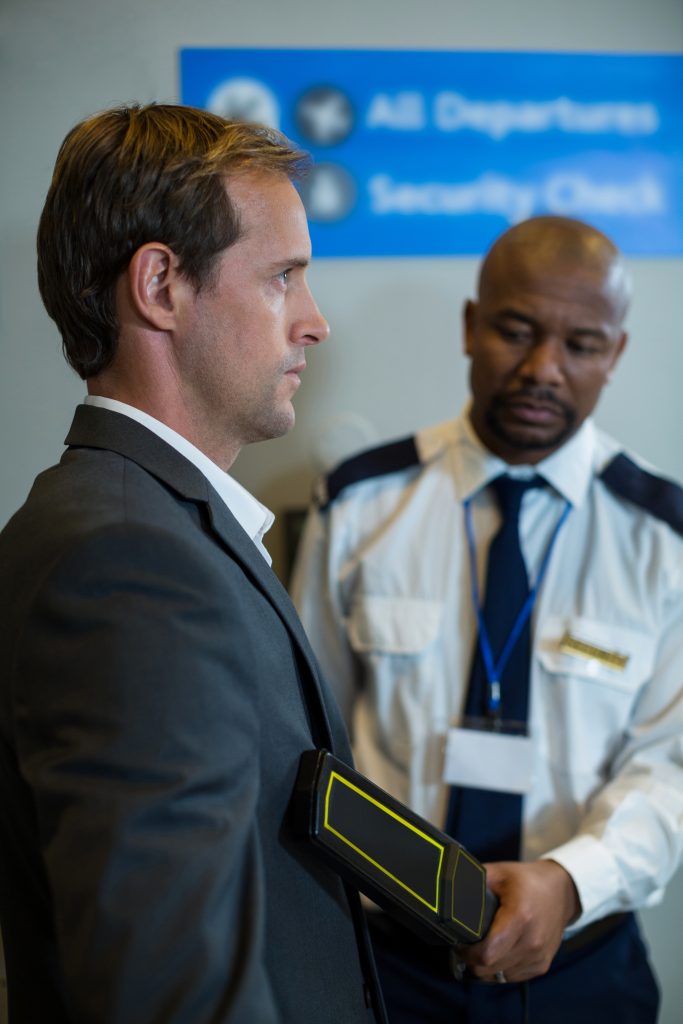
The security industry in South Africa continues to grow as businesses, residential communities, and government institutions increasingly rely on professional security services to protect people, assets, and infrastructure. Advid Security, like many reputable security providers in the country, plays an essential role in offering reliable protection, trained security officers, and comprehensive safety solutions. As crime trends evolve and technology advances, the demand for skilled and well-trained security guards is expected to rise significantly in 2026.
This article explores the core aspects of Advid Security and similar organisations, the role of security guards in South Africa, Grade 12 opportunities for new entrants, and the key requirements and skills needed to succeed in the security sector in 2026.
Overview of Advid Security in South Africa
Advid Security represents the growing segment of private security companies that support national safety goals through professional guarding, alarm response, access control, and monitoring services. The company contributes to the private security industry, which is regulated by the Private Security Industry Regulatory Authority (PSIRA). Organisations like Advid Security focus on offering high-quality security solutions to businesses, retail centres, residential estates, industrial sites, and special events.
In South Africa, private security officers often serve as the first line of defence against criminal activity. Effective security companies ensure that their personnel are properly trained, fully compliant with legal standards, and able to maintain professionalism in various challenging environments. As the industry moves into 2026, security companies are emphasising new technologies, enhanced training, and improved service delivery to meet rising security demands.
Understanding the Role of a Security Guard in South Africa
A security guard’s main responsibility is to protect property, people, and assets by maintaining a visible presence, monitoring environments, and responding to potential threats. Security officers working for companies such as Advid Security are expected to perform their duties with discipline, vigilance, and integrity.
Typical responsibilities of security guards include:
- Monitoring entrances, exits, and access control points.
- Conducting regular patrols around buildings or premises.
- Reporting suspicious behaviour or security concerns.
- Responding to alarms and emergency situations.
- Maintaining accurate incident logs and documentation.
- Providing customer support or assistance to visitors.
- Enforcing company rules, safety regulations, and site instructions.
The role demands alertness, strong decision-making abilities, and the ability to remain calm under pressure. As the industry evolves, security guards increasingly use digital tools, surveillance systems, and communication devices to enhance their effectiveness.
Grade 12 as a Key Requirement for Entry into the Security Industry
In South Africa, a Grade 12 qualification is one of the most valuable entry-level requirements for individuals pursuing a career in security. While not all positions legally require Grade 12, many companies, including Advid Security, prefer candidates who have completed secondary education because it demonstrates discipline, basic communication skills, and academic capability.
A Grade 12 certificate strengthens job applications for several reasons:
- It shows the candidate has foundational literacy and numeracy skills.
- It improves communication abilities, which are essential in incident reporting and customer interaction.
- It increases opportunities for internal promotion into supervisory roles.
- It supports further training aligned with the National Qualifications Framework.
Candidates with Grade 12 are more competitive and are more likely to be selected for positions that involve direct client interaction or advanced responsibilities.
Requirements for Becoming a Security Guard in 2026
As security standards rise in 2026, applicants will need to meet specific requirements set by both PSIRA and individual security companies. Common requirements for security guard positions include:
1. PSIRA Registration
All security guards must be registered with the Private Security Industry Regulatory Authority. PSIRA registration ensures that officers are:
- Legally permitted to work in the security industry.
- Verified through background checks.
- Trained according to national security standards.
PSIRA offers several grades, starting from Grade E up to Grade A, with each grade representing a higher level of responsibility and skill.
2. Minimum Educational Qualification
Although Grade 12 is strongly recommended, some entry-level grades may accept candidates with Grade 10 or Grade 11. However, for 2026, many companies are moving towards preferring Grade 12 to maintain higher service standards.
3. Security Training Certification
Applicants must complete accredited security training that matches their PSIRA grade. Training includes:
- Physical security procedures.
- Legal aspects of security work.
- Emergency response practices.
- Basic self-defence and conflict resolution.
4. Clean Criminal Record
Companies conduct background checks to ensure that candidates have no criminal history related to theft, violence, or fraudulent activities.
5. Physical Fitness
Security work may involve long hours on foot, patrolling extensive premises, or responding quickly to emergencies. A reasonable level of physical fitness is therefore essential.
6. Age and Citizenship Requirements
- Applicants must be legally allowed to work in South Africa.
- Most companies require candidates to be at least 18 years old.
Important Skills Needed for Security Guards in 2026
As the private security industry evolves, security guards must develop both traditional and modern skills. Security companies prefer candidates who demonstrate a balance of physical, interpersonal, and technological competence.
Key skills include:
1. Communication Skills
A professional security guard must be able to communicate clearly with clients, colleagues, and the public. Effective communication is vital when writing incident reports, giving instructions, or providing assistance.
2. Observation and Attention to Detail
Security officers must remain alert at all times. Keen observation helps identify unusual behaviour, safety hazards, or potential threats before they escalate.
3. Problem-Solving and Decision-Making
In emergency situations, security guards must make quick and informed decisions. The ability to analyse situations and choose appropriate responses is crucial.
4. Professional Conduct and Integrity
Security officers represent the company they work for. Professional behaviour, honesty, and discipline are essential to maintaining trust and reliability.
5. Conflict Resolution Skills
Security personnel must be able to de-escalate conflicts calmly and respectfully. Proper conflict resolution reduces the risk of harm and improves the safety of everyone involved.
6. Basic Technology Skills
The use of security software, surveillance systems, digital radios, and access control technology is increasing. Guards must be comfortable using electronic devices to perform their duties efficiently.
7. Physical and Mental Readiness
Security work often requires standing for long periods, night shifts, and high-pressure environments. Physical endurance and mental resilience are therefore important.
Career Opportunities in the Private Security Sector
With the growth of the private security industry, various job opportunities exist for trained and qualified individuals. A security guard can advance into many roles, including:
- Access control officer
- Patrol officer
- CCTV surveillance operator
- Armed response officer
- Site supervisor
- Control room operator
- Security manager
These career paths offer opportunities for long-term stability, professional growth, and increased responsibility.
Conclusion
Advid Security and similar organisations play a vital role in South Africa’s safety landscape. As security demands evolve, the need for highly trained and disciplined security guards continues to grow. Grade 12 graduates who meet the legal requirements, possess strong interpersonal skills, and demonstrate professionalism will have valuable opportunities in 2026 and beyond.
Security positions offer stable employment, practical skills, and pathways for career advancement. By understanding the requirements and building the necessary skills, aspiring security guards can prepare themselves for a successful and meaningful future in the private security industry.

