
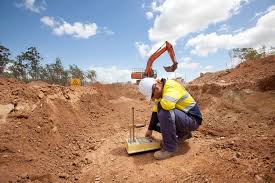
Business Unit / Group Function: South Africa – Kumba Iron Ore
Area: Location: Mining Kathu, South Africa
Reference Id: REF72454Y
Overview
Company Description:
We have an exciting position for a Geotechnical Engineerto ensure geotechnical compliance and safety in the Mine and support Operations with engineering design and layout.
Be part of the team.
The team that makes it happen.

2. What Is a Geotechnical Engineering Learnership?
A Geotechnical Engineering Learnership is a structured educational and training program that combines classroom-based learning with on-the-job practical experience. It provides individuals — especially youth and entry-level candidates — with the skills and knowledge needed to begin a professional journey in the field of geotechnical and civil engineering.
Unlike traditional academic degrees that are mostly theoretical, a learnership allows learners to apply what they study directly in the field. Participants learn to test soil and rock samples, interpret geotechnical data, assist engineers in site investigations, and support construction projects under supervision.
Key Objectives of Geotechnical Learnerships
- Practical exposure: Learners gain real-world experience through site visits, laboratory testing, and engineering fieldwork.
- Skill development: Learnerships focus on developing technical and soft skills like problem-solving, teamwork, and report writing.
- Professional entry: Many programs are designed to help learners qualify for technician or assistant-level positions after completion.
- Certification: Upon successful completion, learners receive a qualification accredited by the relevant authority (for example, SETA in South Africa, or international equivalents).
3. Importance of Geotechnical Engineering in Modern Society
Geotechnical engineers are the foundation experts behind infrastructure projects that sustain modern life. Every time a bridge is constructed, a skyscraper is erected, or a tunnel is dug, a geotechnical team ensures the ground can safely bear the load.
Core Areas Where Geotechnical Engineers Work
- Building and Structural Foundations – Ensuring soil stability and designing appropriate foundations.
- Transportation Infrastructure – Supporting road, rail, and airport projects through subgrade analysis.
- Mining and Excavation – Assessing slope stability and designing safe pit structures.
- Water and Environmental Engineering – Designing dams, retaining walls, and flood control systems.
- Renewable Energy Projects – Conducting soil assessments for wind turbines, solar plants, and hydropower installations.
This combination of environmental responsibility, safety, and innovation makes geotechnical engineering one of the most respected and in-demand engineering fields globally.
4. Minimum Requirements to Qualify for a Geotechnical Engineering Learnership
Eligibility for a geotechnical engineering learnership depends on the program provider, but most require basic educational qualifications and a strong interest in engineering and environmental science.
Typical Requirements
- Education: A minimum of Grade 12 or equivalent, with mathematics and physical science.
- Age: Usually between 18 and 35 years old for youth-focused learnerships.
- Skills: Basic computer literacy, numerical reasoning, and an ability to work outdoors.
- Citizenship: In most cases, applicants must be citizens or permanent residents of the country offering the program.
- Attributes: Teamwork, curiosity, and attention to detail are highly valued traits.
While some organizations may prefer applicants with an N4–N6 qualification in Civil or Geological Engineering, many entry-level programs are open to Grade 12 graduates willing to learn.
5. What You Learn in a Geotechnical Engineering Learnership
A learnership in geotechnical engineering covers both theory and hands-on training. The curriculum aims to produce competent technicians capable of supporting engineers and scientists.
Theoretical Components
- Introduction to civil and geotechnical engineering principles
- Soil and rock classification systems
- Laboratory testing and sampling methods
- Engineering drawing and mapping
- Environmental and safety regulations
Practical Components
- Collecting and analyzing soil and rock samples
- Performing in-situ tests such as cone penetration tests (CPT)
- Using geotechnical equipment and instruments
- Assisting with site investigations and borehole logging
- Preparing technical reports and project documentation
The program duration varies between 12 and 24 months, depending on the training institution or sponsor organization.
6. Core Skills You Will Develop
During the learnership, learners acquire essential skills that form the backbone of a successful geotechnical engineering career.
Technical Skills
- Soil mechanics and material behavior
- Data collection and interpretation
- Use of geotechnical software (e.g., GeoStudio, Plaxis)
- Report writing and documentation
- Application of safety and quality control standards
Soft Skills
- Analytical thinking
- Problem-solving and innovation
- Communication and teamwork
- Time management and adaptability
Employers value candidates who combine technical ability with professional conduct and a willingness to learn.
7. Career Opportunities After Completing a Geotechnical Engineering Learnership
Completing a learnership opens numerous doors in both public and private sectors. Graduates often begin as geotechnical assistants, technicians, or laboratory analysts.
Career Pathways Include
- Geotechnical Technician – Supports engineers by conducting tests and gathering field data.
- Laboratory Assistant – Analyzes soil and rock samples in controlled environments.
- Site Supervisor or Quality Controller – Ensures compliance with construction and safety standards.
- Junior Engineer (with further study) – After additional education, learners can progress into engineering roles.
- Environmental Consultant – Assesses land and soil conditions for sustainable development.
With further education and experience, learners can advance to senior engineering positions, research roles, or project management.
8. How to Apply for a Geotechnical Engineering Learnership
Applying for a learnership is a process that requires preparation, research, and attention to detail.
Step-by-Step Application Guide
- Research Accredited Institutions: Identify organizations, universities, or government agencies offering geotechnical engineering learnerships. Examples include SETA-accredited training providers, construction firms, and mining companies.
- Check Eligibility: Review requirements carefully to ensure you meet academic and age criteria.
- Prepare Documents: Commonly required documents include:
- Certified ID copy
- Certified school or qualification certificates
- Updated CV and motivation letter
- Proof of residence
- Submit Applications: Apply online via official company portals or government websites. Some organizations also accept physical applications at regional offices.
- Prepare for Interviews or Assessments: Be ready to answer questions about your interest in engineering, teamwork, and safety awareness.
Common Places to Find Learnership Listings
- Department of Labour websites
- Engineering firms (AECOM, Aurecon, Hatch, etc.)
- Mining and construction companies
- SETA (Sector Education and Training Authority) portals
- LinkedIn and career platforms
9. Benefits of Completing a Geotechnical Engineering Learnership
Personal and Professional Growth
- Gain valuable experience that enhances employability.
- Learn industry-standard tools and techniques.
- Develop confidence and work readiness.
Financial Benefits
- Earn a monthly stipend while studying and working.
- Reduce costs compared to traditional full-time education.
Career Advantages
- Build industry connections and professional references.
- Increase chances of permanent employment upon completion.
- Qualify for further study in engineering or construction management.
A learnership is a steppingstone to long-term stability and career advancement.
10. Challenges Faced During a Learnership
While rewarding, learnerships can also be demanding. Common challenges include:
- Workload Pressure: Balancing theory and fieldwork.
- Outdoor Conditions: Working in varying weather and remote areas.
- Safety Risks: Adhering to strict safety procedures.
- Limited Openings: High competition for limited spots.
Learners who remain disciplined, curious, and proactive tend to succeed despite these obstacles.
11. The Future of Geotechnical Engineering
As global infrastructure needs continue to grow, demand for geotechnical professionals is expected to increase. Emerging fields such as sustainable construction, renewable energy, and smart city design all rely heavily on geotechnical expertise.
Technological advancements — including drone surveying, data modeling, and AI-based soil analysis — are transforming the profession. Future learnerships are likely to integrate digital skills alongside traditional engineering training.
12. Tips for Succeeding in a Geotechnical Engineering Learnership
- Stay Curious: Ask questions and learn from experienced mentors.
- Be Punctual: Arrive on time and respect workplace schedules.
- Prioritize Safety: Follow all safety protocols diligently.
- Keep Notes: Maintain a logbook of daily tasks and lessons learned.
- Network Professionally: Build relationships that could lead to future opportunities.
- Embrace Teamwork: Collaboration is essential in engineering environments.
13. Where to Apply for Geotechnical Learnerships
Below are some common types of organizations and platforms where learners can apply globally or locally:
- Government Infrastructure Departments
- Construction and Mining Companies
- Engineering Consulting Firms
- Universities and Technical Colleges
- Sector Education and Training Authorities (SETAs)
- Job Portals such as Indeed, LinkedIn, and Careers24
14. Ethical and Environmental Responsibilities in Geotechnical Engineering
Modern geotechnical engineers are not only technical experts but also environmental stewards. They are responsible for ensuring projects minimize harm to the environment. Learnership programs often include modules on environmental impact assessment, waste management, and sustainable soil practices.
By understanding environmental ethics, learners become part of a generation committed to responsible development and long-term sustainability
Closing Date:
30 December, 2025