
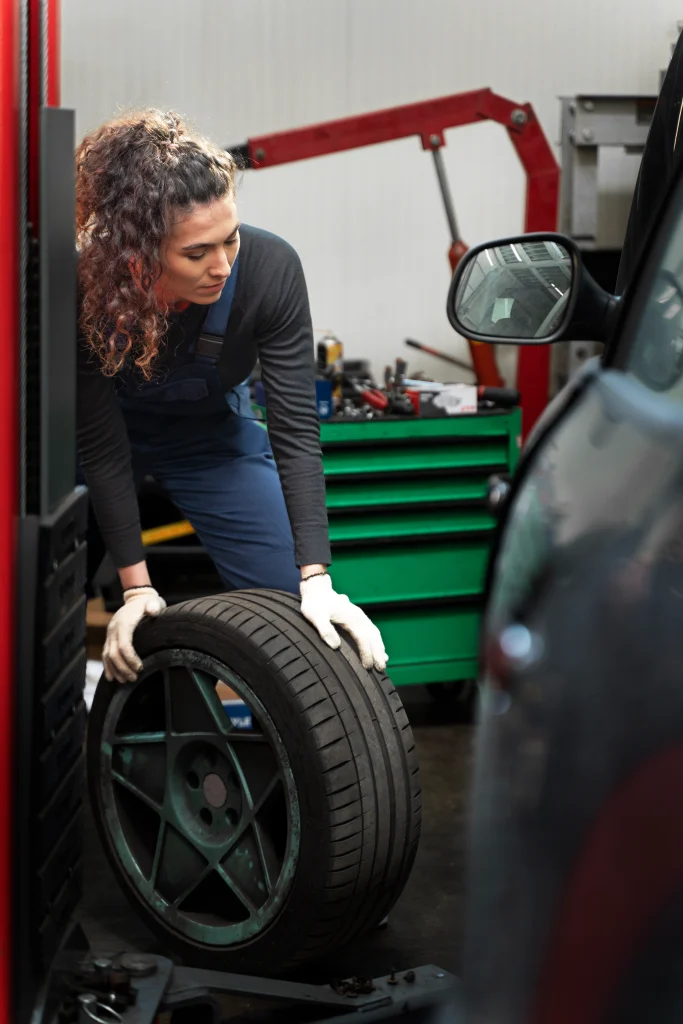
The B Production Learnership Programme is a structured skills development initiative designed to prepare individuals for entry-level roles within the industrial and manufacturing sector. This programme focuses on developing practical production skills, workplace discipline, and a strong understanding of safety and operational standards. It is specifically designed to support workforce readiness while contributing to economic growth and skills development in South Africa.
Industrial production environments require skilled, safety-conscious, and committed individuals. Through this learnership programme, participants are given the opportunity to gain hands-on experience while learning the foundational principles of production operations. The programme aims to bridge the gap between formal education and practical workplace demands, particularly for individuals seeking long-term careers in manufacturing and production-related fields.
Commitment to Equal Employment Opportunities
The B Production Learnership Programme is committed to promoting equal employment opportunities and inclusive workforce development. The programme does not discriminate on the basis of gender, race, disability, religion, or any other protected status. All applicants are assessed fairly based on eligibility criteria, potential, and willingness to learn.
This commitment reflects broader national and industry efforts to create inclusive workplaces that value diversity. By encouraging participation from individuals across different backgrounds, the programme contributes to social equity while strengthening the industrial workforce. Inclusion is viewed as a key driver of innovation, productivity, and sustainable development within the manufacturing sector.
Purpose of the B Production Learnership Programme
The primary purpose of the B Production Learnership Programme is to equip participants with essential production skills and workplace knowledge required in industrial manufacturing environments. Many individuals struggle to enter the manufacturing sector due to limited experience or lack of exposure to production systems. This programme addresses those barriers by offering structured training combined with real-world application.
Another important objective of the programme is to instil a strong safety culture. Manufacturing environments involve machinery, tools, and processes that require strict adherence to safety standards. Through continuous training and supervision, learners develop an understanding of occupational health and safety principles, reducing workplace risks and improving overall productivity.
Overview of the Learnership Structure
The learnership follows an outcome-based training model that integrates theoretical instruction with practical workplace experience. Participants are introduced to production concepts, equipment handling, and operational procedures in a controlled and supervised setting. This approach ensures that learners not only understand production theory but can also apply it effectively in real working conditions.
Throughout the programme, learners are assessed on their ability to follow instructions, work safely, and demonstrate competence in production-related tasks. The structured nature of the learnership ensures consistency in training delivery and clear progression toward defined learning outcomes. Successful completion signifies readiness for entry-level production roles.
Importance of Production Learnerships in the Manufacturing Sector
The manufacturing and production sector plays a vital role in economic development and job creation. However, skills shortages and limited access to training often hinder growth within this sector. Learnership programmes such as the B Production Learnership Programme address these challenges by developing a pipeline of skilled and work-ready individuals.
By investing in structured training, employers benefit from a workforce that understands production systems, safety requirements, and quality standards. Learners benefit by gaining industry-relevant skills that improve employability and career prospects. This mutually beneficial approach supports long-term sustainability within the manufacturing industry.
Workplace Environment and Expectations
Participants in the B Production Learnership Programme are exposed to an industrial manufacturing environment where professionalism, discipline, and teamwork are essential. Learners are expected to follow workplace rules, respect supervisors and colleagues, and adhere strictly to safety protocols.
The industrial environment may involve operating machinery, handling materials, and performing repetitive production tasks. Learners are guided to work efficiently while maintaining accuracy and quality standards. This exposure prepares participants for the realities of manufacturing work and builds resilience and adaptability.
Requirements
- Minimum educational requirement of Grade 12 or equivalent
- Ability to understand technical instructions and safety documentation
- Willingness to work in an industrial manufacturing environment
- Physical capability to perform production-related tasks
- Strong commitment to learning and development
Technical Skills Development
The B Production Learnership Programme places emphasis on developing technical skills relevant to production and manufacturing operations. Learners are introduced to basic mechanical concepts, production systems, and operational workflows commonly found in industrial settings. This foundational knowledge helps learners understand how different components of a production process function together.
Participants learn how to follow technical procedures and work instructions accurately. This includes understanding diagrams, operating guidelines, and standard operating procedures. The ability to follow instructions precisely is critical in maintaining quality, efficiency, and safety within production environments.
Core Skills and Workplace Competencies
In addition to technical skills, the programme focuses on developing core workplace competencies. Learners are encouraged to improve communication skills, particularly in understanding instructions and reporting issues. Clear communication is essential in production environments where coordination and accuracy are critical.
Teamwork is another core competency developed during the learnership. Manufacturing operations often rely on collaborative efforts to meet production targets and maintain quality standards. Learners gain experience working as part of a team, supporting colleagues, and contributing to shared goals.
Problem-solving skills are also developed as learners encounter operational challenges. With guidance, participants learn to identify issues, follow reporting procedures, and contribute to solutions. These competencies are transferable across various industries and enhance long-term employability.
Health and Safety Awareness
Health and safety awareness is a central component of the B Production Learnership Programme. Learners receive training on workplace safety regulations, hazard identification, and risk prevention. Understanding safety documentation and procedures is essential for protecting both individuals and colleagues in an industrial environment.
By promoting a strong safety culture, the programme helps learners develop responsible work habits. These habits not only reduce the risk of workplace accidents but also demonstrate professionalism and reliability, qualities highly valued by employers in the manufacturing sector.
Benefits of Participating in the Learnership
Participation in the B Production Learnership Programme offers several long-term benefits. Learners gain practical experience in a real production environment, which strengthens their employability. This experience helps bridge the gap between academic qualifications and workplace expectations.
The programme also builds confidence and independence. For many participants, this may be their first exposure to a structured industrial workplace. Successfully completing the learnership demonstrates commitment, discipline, and readiness for employment, making participants more competitive in the job market.
Career Pathways After Completion
Upon completion of the learnership, participants are better positioned to pursue entry-level roles in manufacturing and production environments. These may include positions such as production assistants, machine operators, or general manufacturing workers, depending on individual performance and opportunities available.
The skills acquired during the programme also provide a foundation for further training or specialization. Some learners may choose to pursue advanced technical qualifications, while others may gain employment and continue developing skills on the job. The learnership serves as a stepping stone toward sustainable career growth.
Contribution to Skills Development and Economic Growth
The B Production Learnership Programme contributes to national skills development objectives by preparing individuals for productive participation in the economy. Skilled production workers are essential for industrial growth, competitiveness, and job creation.
By supporting workforce development, the programme helps reduce unemployment and strengthens the manufacturing sector. This contribution extends beyond individual learners, benefiting employers, communities, and the broader economy.
Learner Commitment and Responsibilities
Learners accepted into the programme are expected to demonstrate commitment throughout the training period. This includes attending training sessions, following instructions, adhering to safety standards, and actively participating in workplace activities.
Consistency, punctuality, and a willingness to learn are essential for success. The programme encourages learners to take responsibility for their development and to approach the learnership as a serious professional opportunity.
Conclusion
The B Production Learnership Programme is a valuable skills development initiative that supports entry into the industrial and manufacturing sector. Through structured training, workplace exposure, and a strong focus on safety and competence, the programme prepares learners for the demands of production environments.
By promoting equal employment opportunities and focusing on both technical and core skills, the programme contributes to inclusive economic growth and workforce readiness. For individuals who meet the requirements and are committed to learning and development, the B Production Learnership Programme offers a practical and meaningful pathway toward long-term employment and career advancement.

