
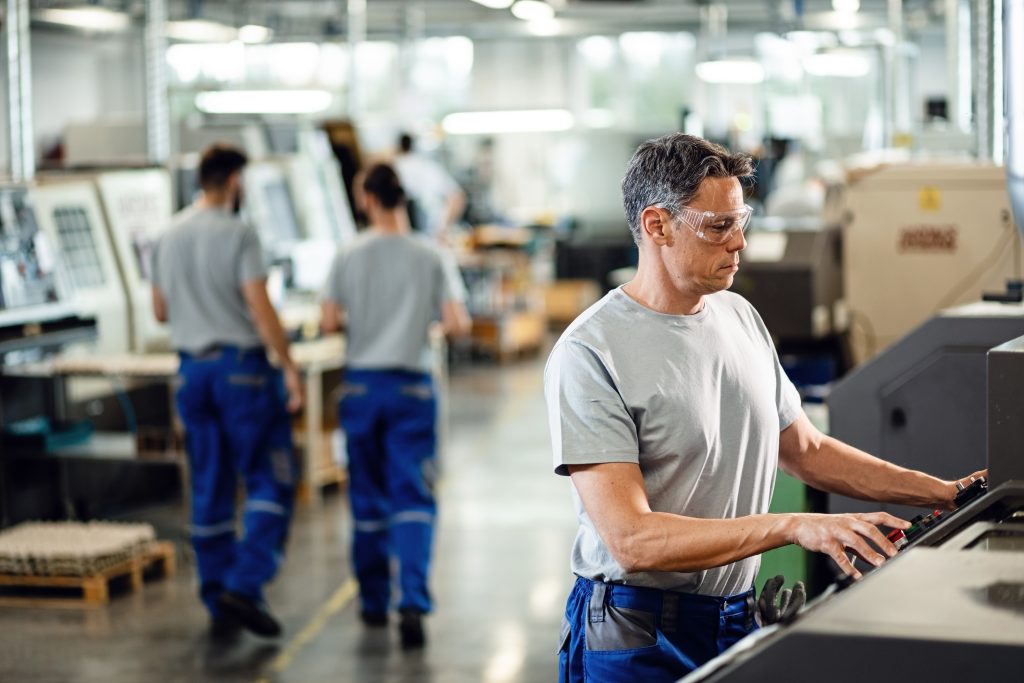
🏭 How to Become a Production Operator: Complete Guide to Building a Manufacturing Career
Introduction: Understanding the Role of a Production Operator
In today’s fast-paced industrial world, production operators are the heartbeat of manufacturing. They ensure that products are made efficiently, safely, and according to quality standards. Without skilled operators, industries would not function — whether producing cars, electronics, food, or pharmaceuticals.
Becoming a production operator offers an excellent opportunity for people who enjoy hands-on work, teamwork, and seeing tangible results from their efforts. It’s a career that requires discipline, attention to detail, and reliability, but it also rewards you with job stability, growth opportunities, and a strong sense of accomplishment.
This comprehensive guide explores how to become a production operator, the skills required, education paths, typical workplaces, salaries, and future growth prospects. Whether you’re a school leaver, job seeker, or someone wanting a career change, this article will guide you step-by-step.
1. What is a Production Operator?
A production operator (also known as a machine operator, factory worker, or production technician) is responsible for running, monitoring, and maintaining machinery used to manufacture products.
Their primary goal is to ensure that production lines run smoothly, safely, and meet quality and quantity targets.
Key Responsibilities:
- Operating machinery and production equipment
- Assembling components or packaging products
- Inspecting finished goods for defects or inconsistencies
- Maintaining cleanliness and safety on the production floor
- Recording production data and reporting issues
- Performing minor machine repairs or adjustments
- Collaborating with supervisors, engineers, and quality teams
Production operators form the backbone of industries such as:
- Automotive manufacturing
- Food and beverage processing
- Pharmaceuticals and healthcare products
- Textiles and clothing
- Electronics and appliances
- Construction materials and metal fabrication
2. Why Choose a Career as a Production Operator?
Becoming a production operator offers stability, skill growth, and international opportunities.
a. High Demand and Job Security
Manufacturing remains a vital sector of every economy. As industries grow, so does the need for skilled operators.
b. Entry-Level Accessibility
Many production jobs don’t require university degrees. With dedication, you can start with minimal qualifications and work your way up.
c. Hands-On and Practical Work
If you enjoy working with your hands rather than sitting behind a desk, this role offers an engaging and active workday.
d. Opportunities for Career Advancement
With experience and training, you can advance to become a supervisor, quality inspector, technician, or even production manager.
e. Competitive Pay and Benefits
Even at entry level, many companies offer shift allowances, bonuses, and overtime pay.
f. Pathway to International Employment
Manufacturing standards are similar across countries, allowing skilled operators to work globally.
3. Educational Requirements
a. Minimum Education
To become a production operator, you generally need:
- A high school certificate (Grade 12 or equivalent)
- Good marks in Mathematics, Science, and Technical subjects
b. Post-School Qualifications (Optional but Advantageous)
While not always required, technical training improves your chances:
- Certificate or Diploma in Manufacturing, Engineering, or Industrial Technology
- NQF Level 2–4 qualification (South Africa example)
- Apprenticeships through Technical and Vocational Education and Training (TVET) colleges
c. On-the-Job Training
Most companies provide training to new operators on:
- Equipment operation
- Safety procedures
- Quality assurance
- Production targets and workflow
4. Core Skills Needed to Succeed
Becoming a professional production operator isn’t just about operating machines — it’s about mastering both technical and interpersonal skills.
a. Technical Skills
- Knowledge of machine controls and mechanics
- Ability to read technical diagrams and follow instructions
- Basic understanding of electrical and mechanical systems
- Familiarity with tools and equipment
b. Soft Skills
- Attention to Detail: Spot defects or errors quickly.
- Teamwork: Collaborate with other departments.
- Time Management: Meet production targets efficiently.
- Communication: Report issues clearly to supervisors.
- Problem-Solving: Handle equipment faults effectively.
c. Safety Awareness
Safety is the top priority in manufacturing. You must:
- Follow workplace health and safety rules
- Wear personal protective equipment (PPE)
- Attend safety training and emergency drills
5. Step-by-Step Guide: How to Become a Production Operator
Let’s break down the process from education to employment.
Step 1: Complete Secondary Education
Focus on mathematics, science, and technical subjects. These lay the foundation for understanding industrial processes.
Step 2: Enroll in a Technical Program (Optional but Recommended)
TVET colleges or technical institutes offer practical courses in:
- Engineering Studies
- Manufacturing Technology
- Industrial Maintenance
These boost employability and career progression.
Step 3: Gain Practical Experience
Start with:
- Internships
- Apprenticeships
- Entry-level positions such as general worker or assistant operator
Experience builds your confidence and credibility.
Step 4: Apply for Production Operator Positions
Search for openings in:
- Manufacturing plants
- Warehouses
- Assembly lines
- Food and beverage industries
Popular job portals in South Africa include:
Indeed, CareerJunction, PNet, and LinkedIn Jobs.
Step 5: Continuous Training and Certification
Companies often offer internal courses on:
- Lean Manufacturing
- Quality Control
- Health and Safety
- ISO Standards
These increase your value and help with promotions.
6. Typical Job Duties of a Production Operator
Daily duties may vary depending on industry, but common responsibilities include:
- Machine Operation: Start and monitor machines to ensure continuous production.
- Quality Control: Inspect and measure finished products against standards.
- Maintenance: Clean, lubricate, or adjust machines as needed.
- Documentation: Record quantities, batch numbers, and performance data.
- Safety: Report any malfunction or unsafe condition immediately.
- Collaboration: Coordinate with engineers, supervisors, and logistics teams.
A successful production operator balances speed, precision, and teamwork.
7. Tools and Equipment Used
Depending on your industry, you might work with:
- Conveyor belts and automated systems
- Presses, welders, and cutters
- Packaging machines
- Forklifts and pallet jacks
- Measuring instruments like calipers, gauges, and micrometers
Familiarity with tools ensures safety and efficiency.
8. Work Environment and Conditions
Production operators typically work in industrial or factory settings, which can be noisy, warm, or fast-paced.
Work Schedule:
- Shifts: Day, night, or rotating
- Hours: 8–12 hours per shift
- Breaks: Regulated rest times to avoid fatigue
Safety gear such as helmets, gloves, steel-toed boots, and ear protection are mandatory.
Physical Demands:
Operators often stand for long hours and handle machinery or materials. Good physical health and stamina are important.
9. Salary Expectations
Earnings depend on experience, location, and industry.
| Country | Average Annual Salary |
|---|---|
| South Africa | R120,000 – R240,000 |
| USA | $35,000 – $55,000 |
| UK | £20,000 – £35,000 |
| Canada | CAD 40,000 – CAD 60,000 |
| Australia | AUD 50,000 – AUD 70,000 |
Many operators also earn overtime pay, bonuses, and benefits such as medical aid and pension contributions.
10. Career Growth and Advancement
Production operators can move up the career ladder with experience and training.
Career Progression Path:
- Production Operator (Entry Level)
- Senior Operator / Line Leader
- Production Supervisor
- Quality Control Technician
- Maintenance Technician
- Production Manager or Engineer
Certifications That Help:
- National Certificate in Manufacturing or Engineering
- Lean Six Sigma Training
- Occupational Safety and Health Certifications
11. Challenges Faced in the Role
Every profession comes with its challenges. Understanding them helps you prepare mentally and physically.
Common Challenges:
- Long working hours and shift changes
- Physical fatigue
- Repetitive tasks
- Pressure to meet deadlines
- Exposure to noise and dust
How to Overcome Them:
- Maintain good posture and fitness
- Take breaks as allowed
- Use protective equipment properly
- Communicate openly with supervisors
- Focus on safety above speed
12. Key Attributes of Successful Production Operators
To excel in this field, develop these qualities:
- Reliability and punctuality
- Eagerness to learn new processes
- Focus on quality and safety
- Ability to work under pressure
- Adaptability to changing production demands
Employers value dependable workers who show initiative and teamwork.
13. Industries Employing Production Operators
Production operators are needed across multiple industries, including:
| Industry | Example of Products |
|---|---|
| Food & Beverage | Packaged foods, drinks, snacks |
| Automotive | Vehicle parts and assembly |
| Electronics | Mobile phones, appliances |
| Pharmaceutical | Medicines, cosmetics |
| Construction | Cement, steel, and materials |
| Clothing & Textiles | Garments and footwear |
These industries rely on efficient production staff to meet daily output goals.
14. Health and Safety Regulations
Every operator must follow Occupational Health and Safety (OHS) regulations.
Best Practices:
- Attend regular safety briefings
- Report any hazard immediately
- Keep your work area clean
- Follow lock-out/tag-out procedures before maintenance
- Avoid shortcuts that compromise safety
Safety compliance protects both workers and the company.
15. How to Apply for Production Operator Jobs
Step-by-Step Process:
- Prepare Your CV: Highlight education, skills, and any practical experience.
- Include Certificates: Attach copies of technical or safety qualifications.
- Search Online: Use job portals and company websites.
- Network: Ask around your community or through unions.
- Apply Early: Manufacturing roles fill quickly.
- Prepare for Interviews: Expect questions on safety, teamwork, and reliability.
Pro Tip:
Mention any machinery you’ve operated before — it greatly boosts your chances.
16. Interview Tips for Production Operator Candidates
During interviews, employers look for attitude, dependability, and safety awareness.
Sample Questions:
- How do you ensure safety on the job?
- Describe a time you solved a problem on the line.
- What would you do if a machine stopped working?
- Are you willing to work night shifts or weekends?
Show your enthusiasm, reliability, and readiness to learn.
17. Lifelong Learning and Upskilling
Technology is transforming manufacturing. Smart factories, robotics, and automation are creating new opportunities.
Upskilling Options:
- Learn about Computerized Numerical Control (CNC) machines
- Take Lean Manufacturing or Six Sigma courses
- Attend online training on industrial automation
Continuous learning ensures you stay relevant and competitive.
18. Global Opportunities for Production Operators
Skilled production operators are in demand worldwide. Many companies recruit internationally, especially in countries with strong industrial bases.
Top Destinations:
- Germany (automotive and machinery)
- Japan (electronics and robotics)
- United States (advanced manufacturing)
- Canada and Australia (industrial plants)
- Middle East (petrochemical and construction materials)
To work abroad, you may need:
- A valid passport and work visa
- Proof of qualifications and experience
- Language proficiency tests (e.g., IELTS for English-speaking countries)
19. Work Ethics and Professionalism
Employers value operators who demonstrate:
- Honesty and integrity
- Respect for rules and authority
- Responsibility for equipment and co-workers
- Commitment to teamwork and production goals
A good attitude can earn you promotions faster than any certificate.
20. The Future of Production Work
The future of production work is bright and evolving with technology.
Emerging Trends:
- Automation and Robotics: Operators will oversee smart machines.
- Digital Manufacturing: Data and sensors improve efficiency.
- Sustainability: Eco-friendly production practices are rising.
- Global Trade: Companies are expanding production overseas.
Those who adapt to technology will continue to find opportunities and higher pay.
21. Frequently Asked Questions (FAQ)
Q1: Can I become a production operator without experience?
A: Yes. Many companies hire entry-level workers and provide training.
Q2: Do I need a degree?
A: No. A high school certificate and willingness to learn are often enough.
Q3: Is the job physically demanding?
A: It can be, but safety gear and proper training reduce strain.
Q4: Can women become production operators?
A: Absolutely. Many women work successfully in factories and quality control.
Q5: What shifts do operators work?
A: Most plants operate 24 hours, so shifts may rotate between day and night.
22. Conclusion: Building a Strong Career in Production
Becoming a production operator is a practical, rewarding path for those who value teamwork, craftsmanship, and job stability. It doesn’t require years of university education — just dedication, a strong work ethic, and attention to detail.
From operating machinery to ensuring product quality, you’ll be part of the process that delivers goods to millions of people daily. And as industries grow, so will your opportunities to advance, specialize, and even work internationally.
If you’re ready to start a hands-on, secure, and respected career, begin by researching training programs or entry-level positions today. With persistence, you can build a future in one of the world’s most essential professions — production